Empowering

inclusive education

Trueway - Where every child finds their way

What Is Inclusive Education

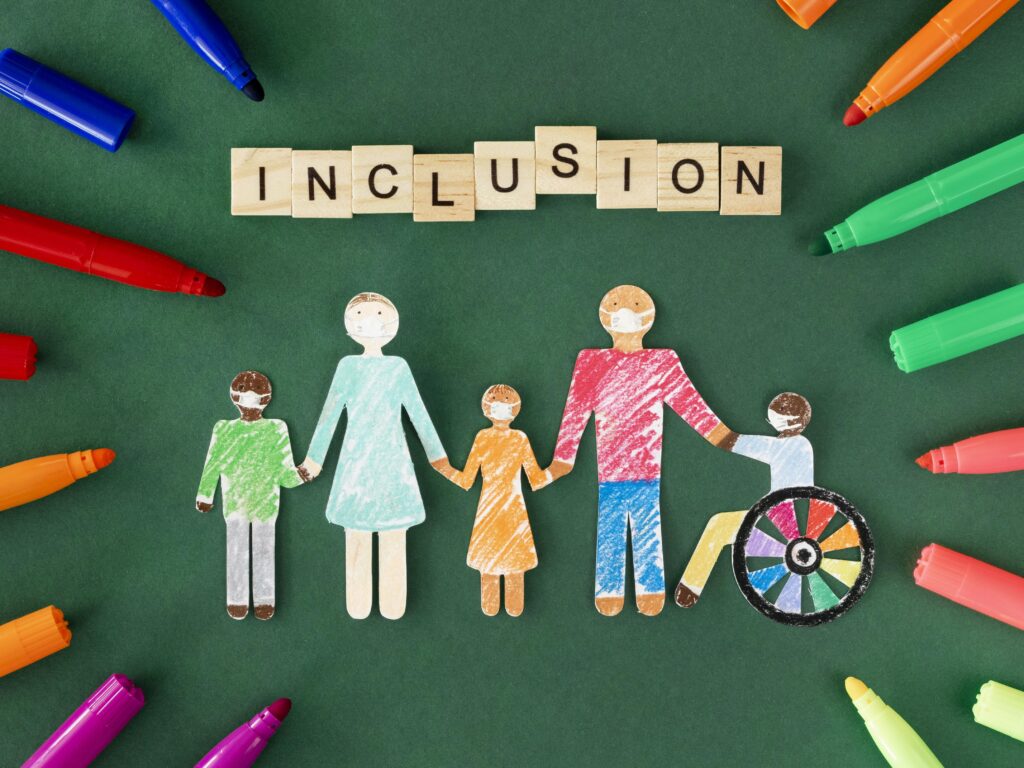
Inclusive Education means every child learns together in the same classroom, whether they are disabled or not. No one is separated or left behind. Empowering inclusive education means creating a learning environment where every student — regardless of their abilities, disabilities, background, gender, or social status — is welcomed, supported, and able to thrive. It’s about removing barriers and providing equal opportunities for all learners to participate and benefit from education.

Why inclusive education matters

1. Lack of ramps, accessible classrooms, or transportation for students with physical disabilities.
2.  No support for students with conditions like dyslexia, ADHD, or autism.
3.  Disabled or different-looking children are often bullied, excluded, or made to feel “less.”
4.  Girls in many communities are discouraged from going to school.
5.  Families prioritize work over school due to poverty.
6.  No flexibility in pace or teaching style to support slow or struggling learners.
7.  Parents and communities often don’t know about inclusive education rights or support systems.

What We can Do About It ?

🏫 1. Create Inclusive Classrooms

  • Use flexible teaching methods (visual, audio, hands-on).

  • Provide assistive tools (braille, screen readers, ramps).

  • Seat students with and without disabilities together.

    👩‍🏫 2. Train Teachers and Staff

  • Conduct regular workshops on special education needs.

  • Promote empathy and understanding of different learning styles

    📣 4. Raise Awareness

  • Run awareness campaigns in schools and communities.

  • Involve parents of children with disabilities in school decisions.


    🏠 5. Emotional Support

    • Many students with disabilities or learning challenges feel isolated, bullied, or ashamed.

    • A counselor/psychologist helps them talk openly about their fears, frustration, or anxiety.
     

Support that respects every need

Education for Blind Children
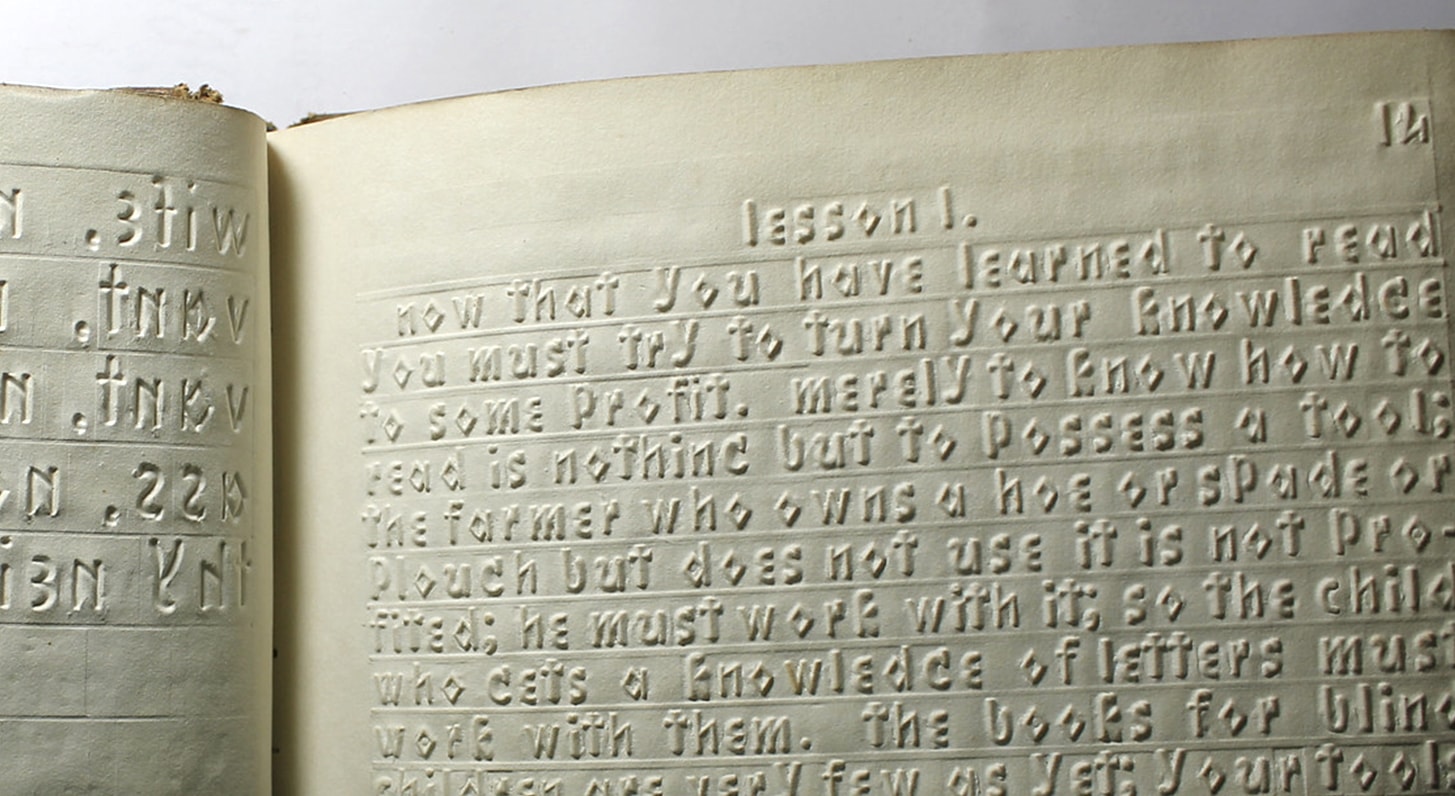
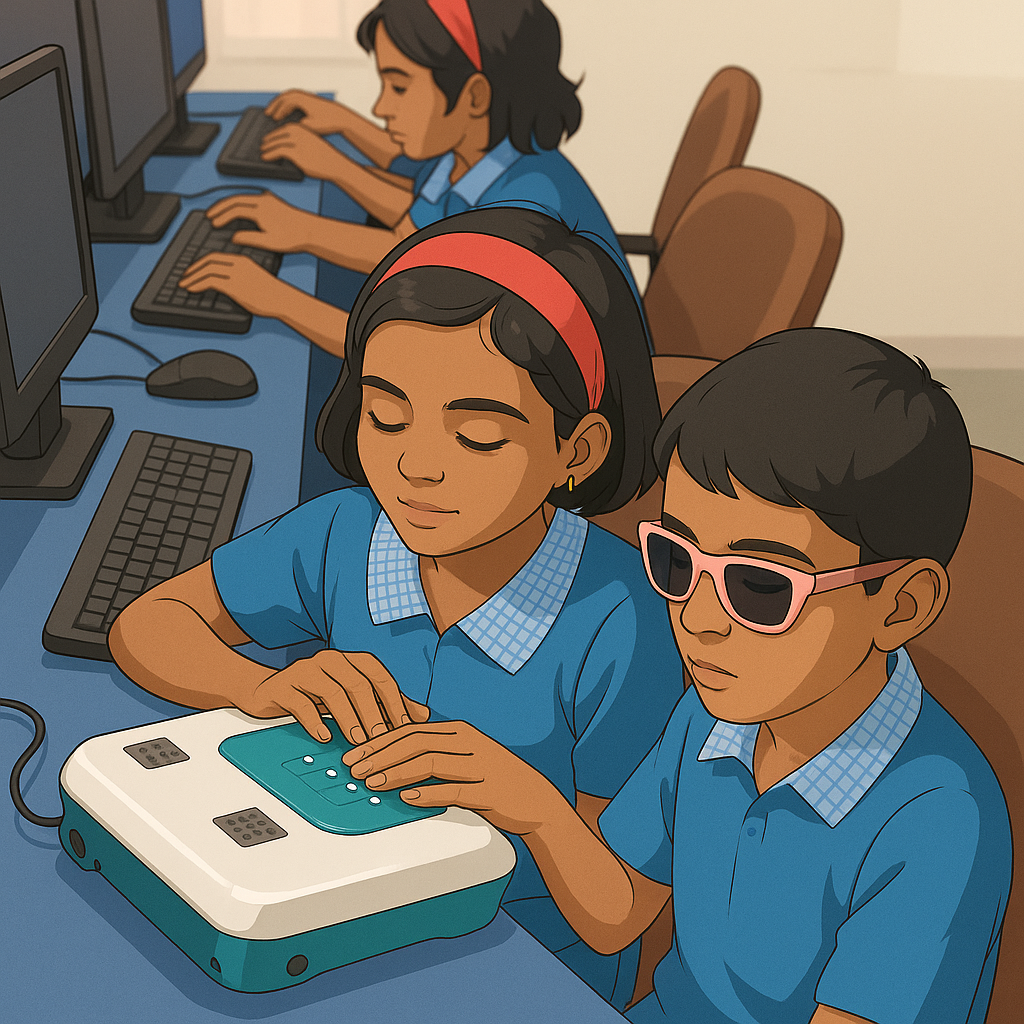
Blind children have special schools and teachers who help them learn in their own way. They use Braille books, which are books with raised dots that they can read by touching. They also listen to audio books and use special computers that read out loud for them. Teachers help them learn new things and teach them how to move around safely. Some blind children study with other children in normal schools with extra help.
How We Can Help Them
We can help blind students by giving them Braille books and audio lessons. We can give them tools like special computers and devices to make learning easier. Teachers should learn how to teach blind children well. Schools can be made easier to use with ramps and special paths. We can also teach blind children skills so they can live and work on their own. It is important to support them with love and care.


Education for Deaf Children
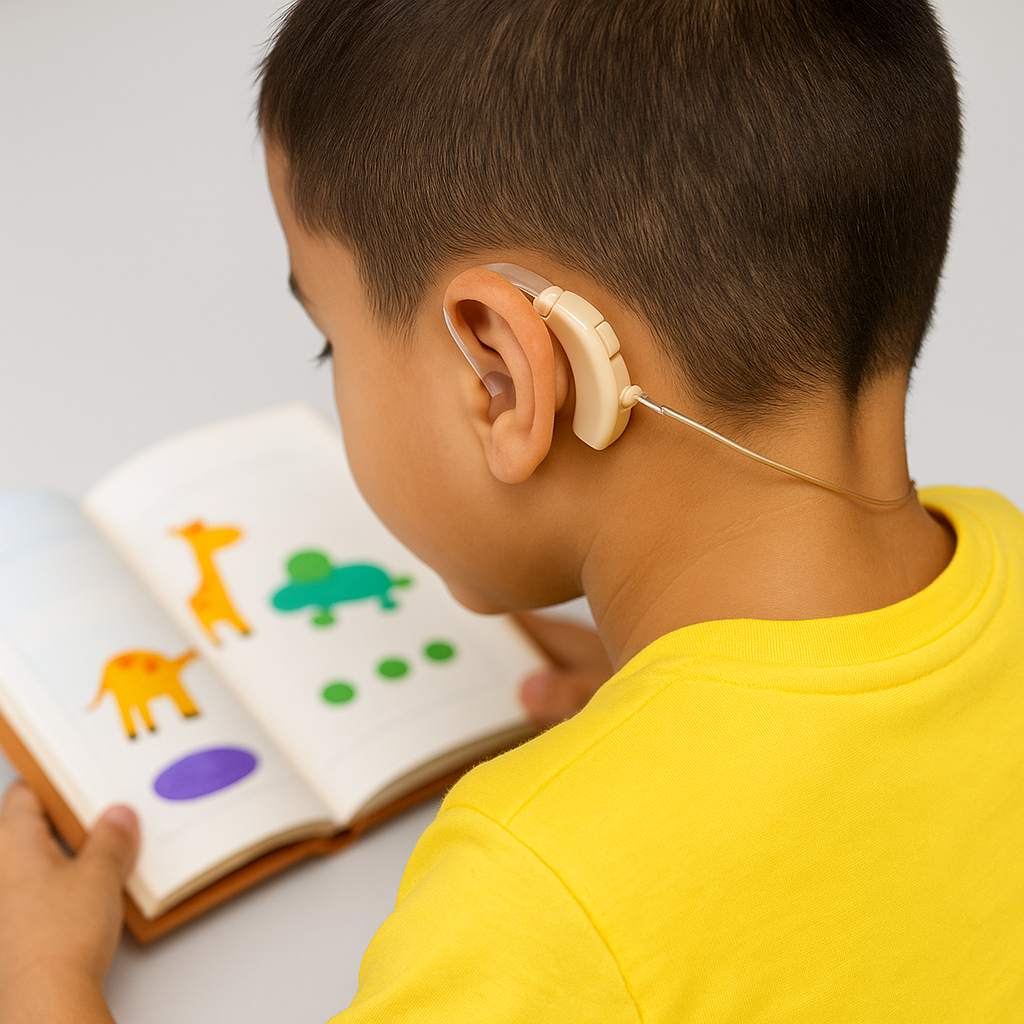
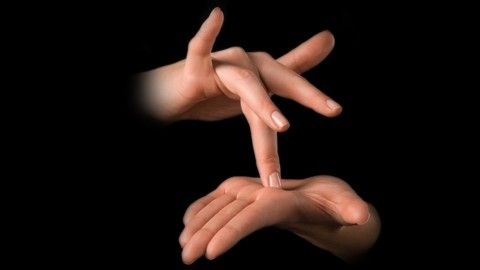
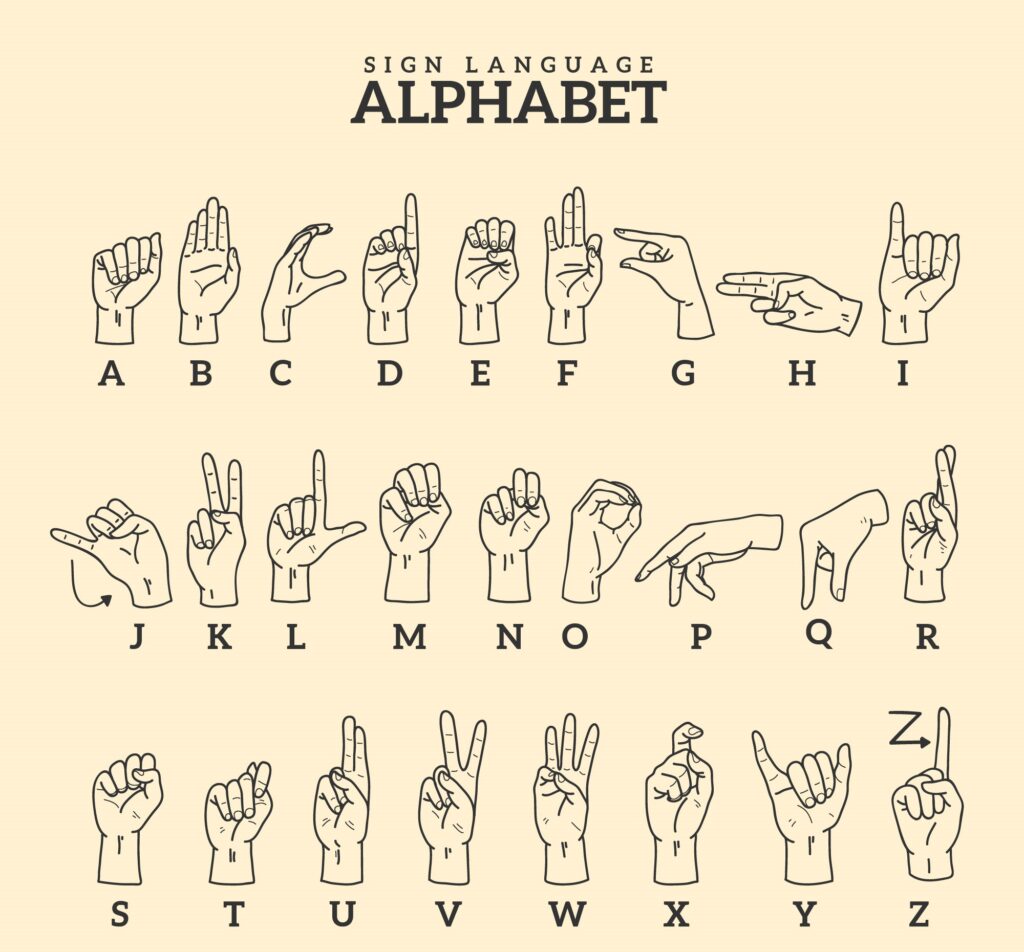
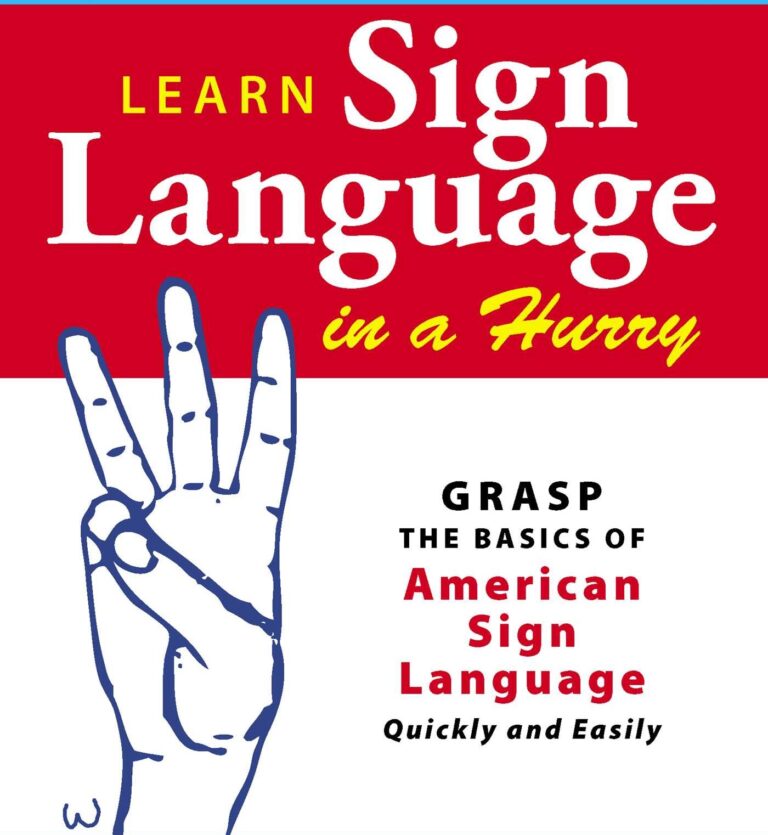
Deaf children need special support to learn, just like all other children. Many deaf students go to special schools where teachers use sign language to teach them. In some regular schools, interpreters help deaf children understand lessons by using sign language or writing. Visual learning tools like pictures, videos, and written notes are used to make learning easier. Special speech therapy and lip-reading classes also help them communicate better with others.
How We Can Help Them
We can support deaf students by learning and using basic sign language to talk with them.Teachers can be trained to understand the needs of deaf children and teach in a way that works best for them. We can also create a friendly and respectful environment where deaf students feel included and confident. Giving emotional support, encouraging their talents, and helping them find good career options is very important for their future. 


Education for Physically Disabled Children
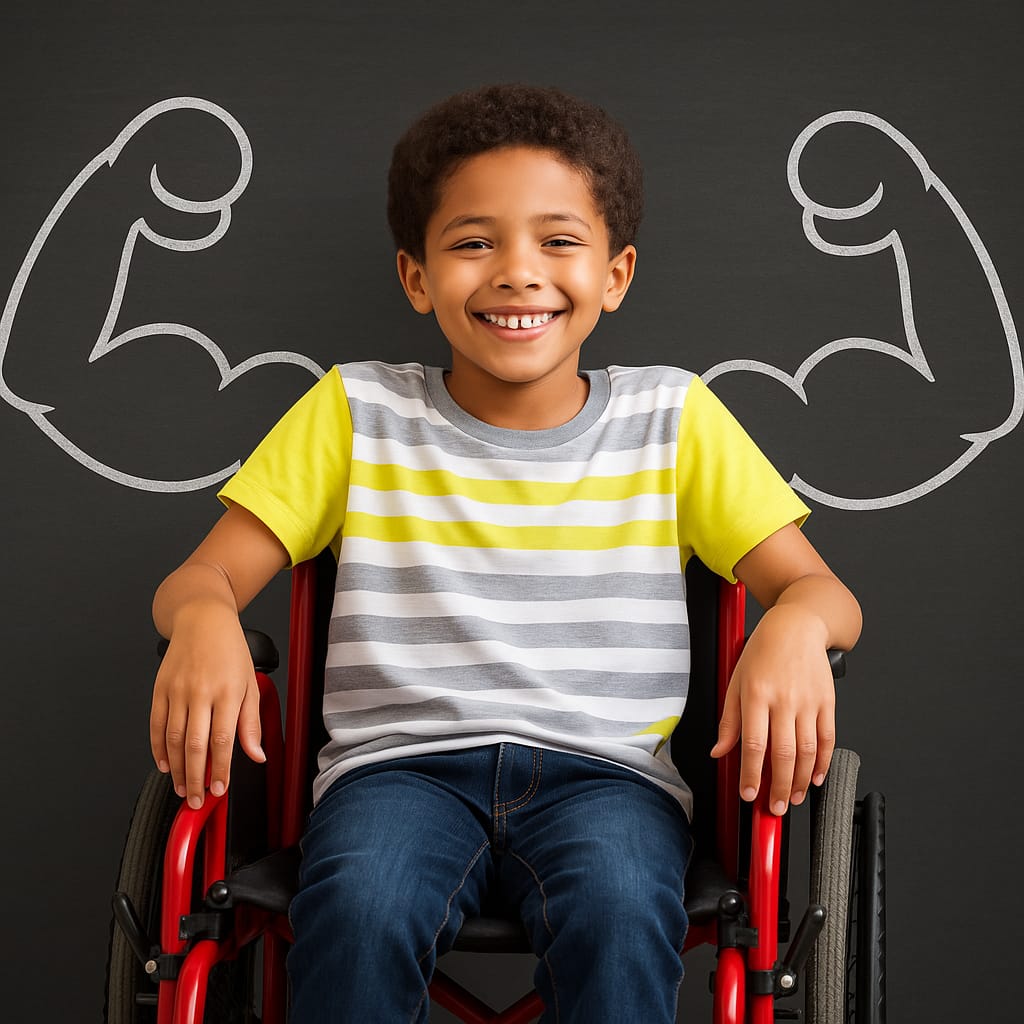
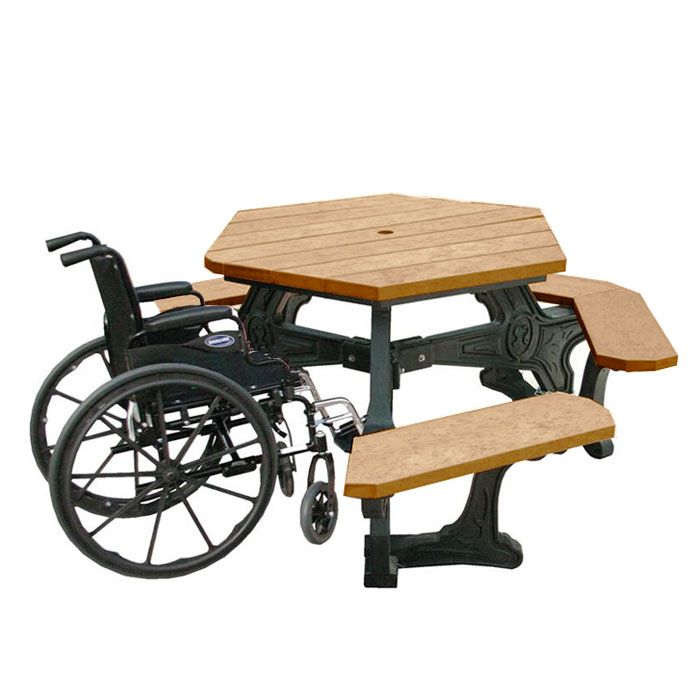
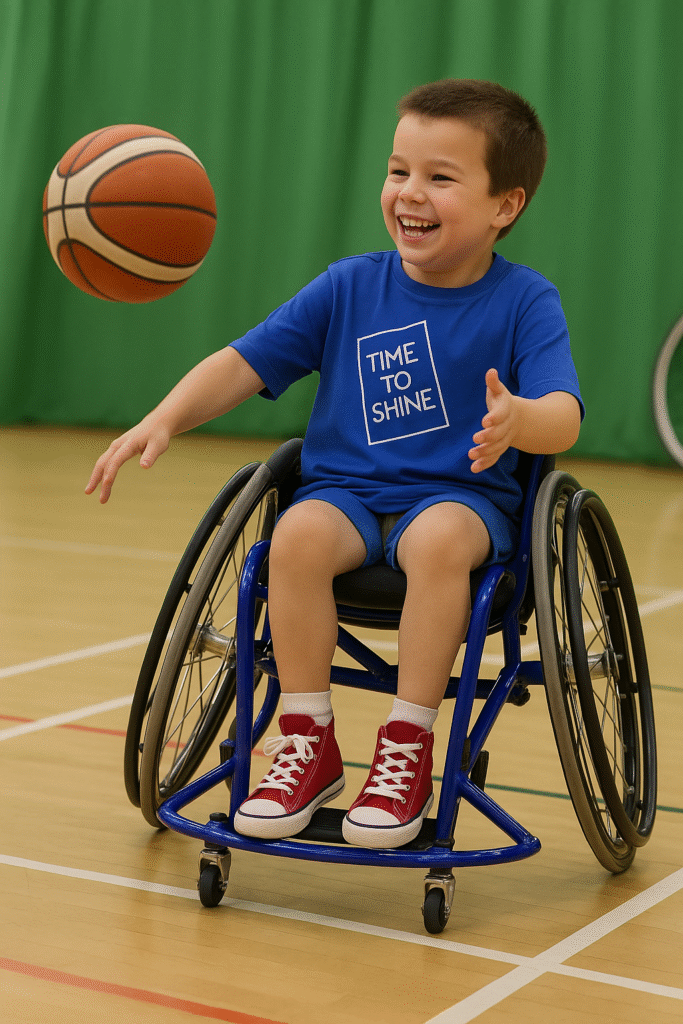
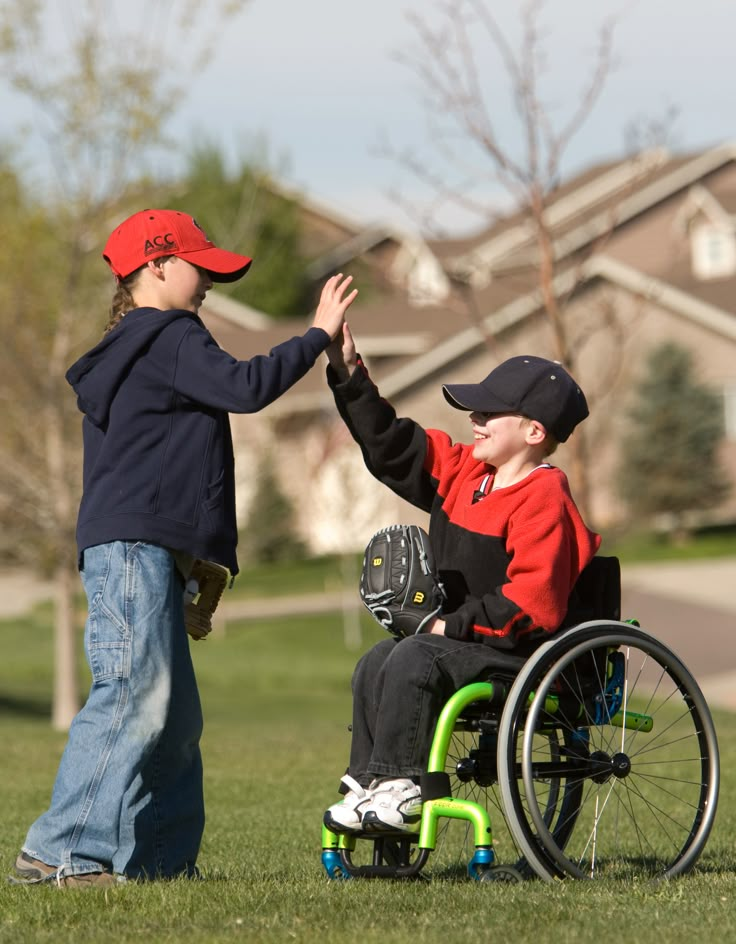
Physically disabled children may have difficulty walking, moving, or using their hands, but they have the same right to education as all other children. Many schools provide special facilities like ramps, wheelchairs, accessible toilets, and special seating arrangements to make learning comfortable. Some students also use assistive devices like walkers, writing aids, or adapted keyboards. Teachers are trained to help them learn in ways that match their needs. Some schools offer home-based learning or online classes for those who cannot travel. Inclusive classrooms help these children study with other students in a friendly environment.
How We Can Help Them
We should also provide transport facilities, helpers, and learning tools that are easy for them to use. Teachers and classmates should be kind and helpful, and include them in all school activities. Giving them emotional support and encouraging them to do their best is very important. We can also spread awareness in society that physical disability does not stop a child from learning or achieving their dreams.

Icons of inspiration

                                      Recognitions and Awards
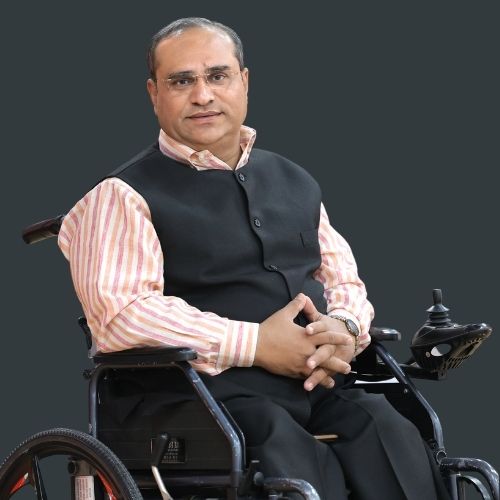
       Ajay Gupta’s contributions have been widely acknowledged:
*   Edupreneur of the Year (2021) by Global Choice Awards.
 *   NCPEDP-LTIMindtree Helen Keller Award (2023) for Role                                        Model Entrepreneur with Disabilities.
*   Kailashpat Singhania Award (2019) for exemplary work in                         edupreneurship.


Ajay Gupta – Rise Above Disability Story

Born in Delhi in 1970, Ajay faced significant challenges from the outset. Due to his disability, he couldn’t attend school until the age of six. Initially, he was carried to a nearby government school by a helper, as facilities for differently-abled students were virtually non-existent at the time. By age 13, he began using calipers and crutches, which allowed him a degree of independence. His passion for learning led him to pursue a Bachelor of Commerce degree via correspondence, as most educational institutions lacked the necessary accessibility.                           

Entrepreneurial Journey

1.  At just 16, Ajay embarked on his entrepreneurial path by                   establishing a computer education institute.

 2. In 2004, he founded Bachpan Play School, aiming to provide             quality early childhood education, especially in                                   smaller Indian cities. The initiative flourished, and today, Bachpan boasts over  1,100 franchises nationwide

3.  Ajay launched Academic Heights Public Schools in 2009,                 focusing on K-12 education, and co-founded Rishihood                      University in 2015
4.  In 2013, he co-founded Prismart Productions, integrating               technology into education through digital content and smart           classrooms.

Some Successful People Who Overcame Challenges...

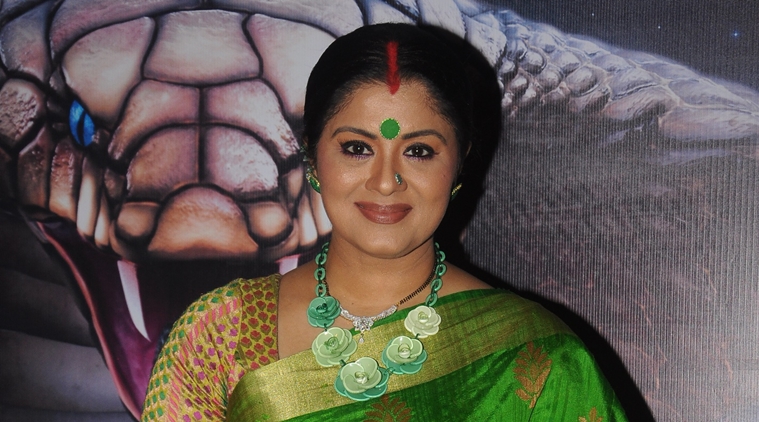
Sudha Chandran is a well-known Indian dancer and actress.
She lost one of her legs in an accident, but she did not give up.
Even after that, she continued dancing and surprised everyone with her talent.
Today, people respect her not just because she can dance. 
Many people can dance, but Sudha danced with full heart and strength.
That is what makes her truly special and great.

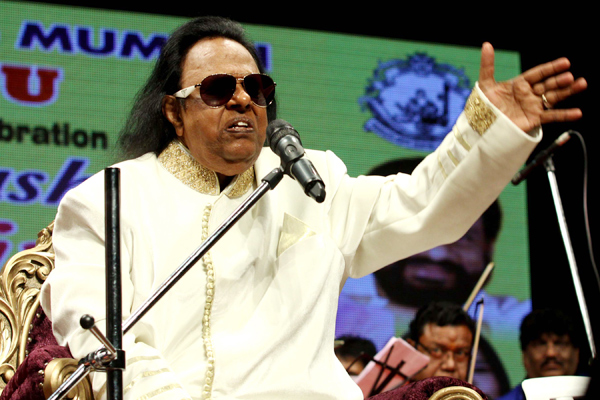
Ravindra Jain was a famous music composer and songwriter.
Even though he was blind from birth, he became one of India’s most loved musiciansHis blindness did not stop his creativity or talentIn fact, he could feel the music deeply—more than many people who can see. He was truly made for music, and music was made for him. Being blind is not a problemBut using it as an excuse and not doing anything in life is a problem. Please always remember what we at Atypical Advantage say: 

 👉 “Disability is not an excuse.”

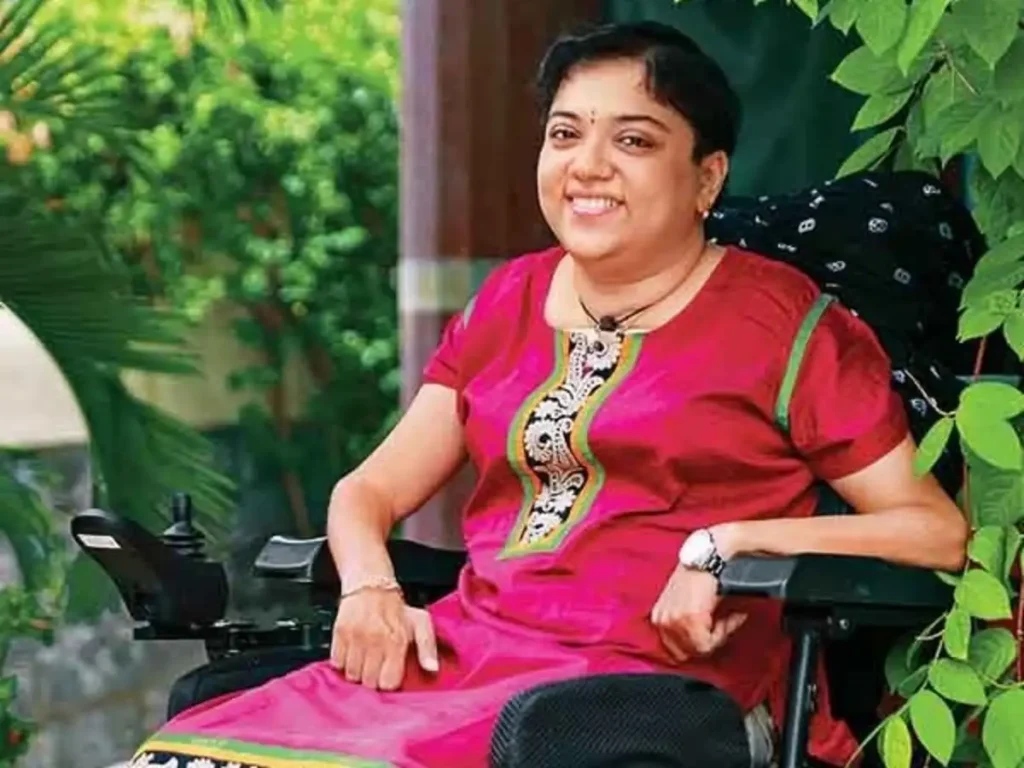
Preethi Srinivasan was a national-level swimmer and also the captain of the Tamil Nadu women’s cricket team.
But one day, a diving accident changed her life.
She became paralyzed from the neck down and could not move her body anymore. Even after this, Preethi did not give up. She became a motivational speaker and started helping other people with disabilities. Preethi didn’t just learn how to swim— She learned how to survive in a world full of challenges. Every time she swims, she says to the world: 👉 “I am here, and I want to live fully – not just adjust.”
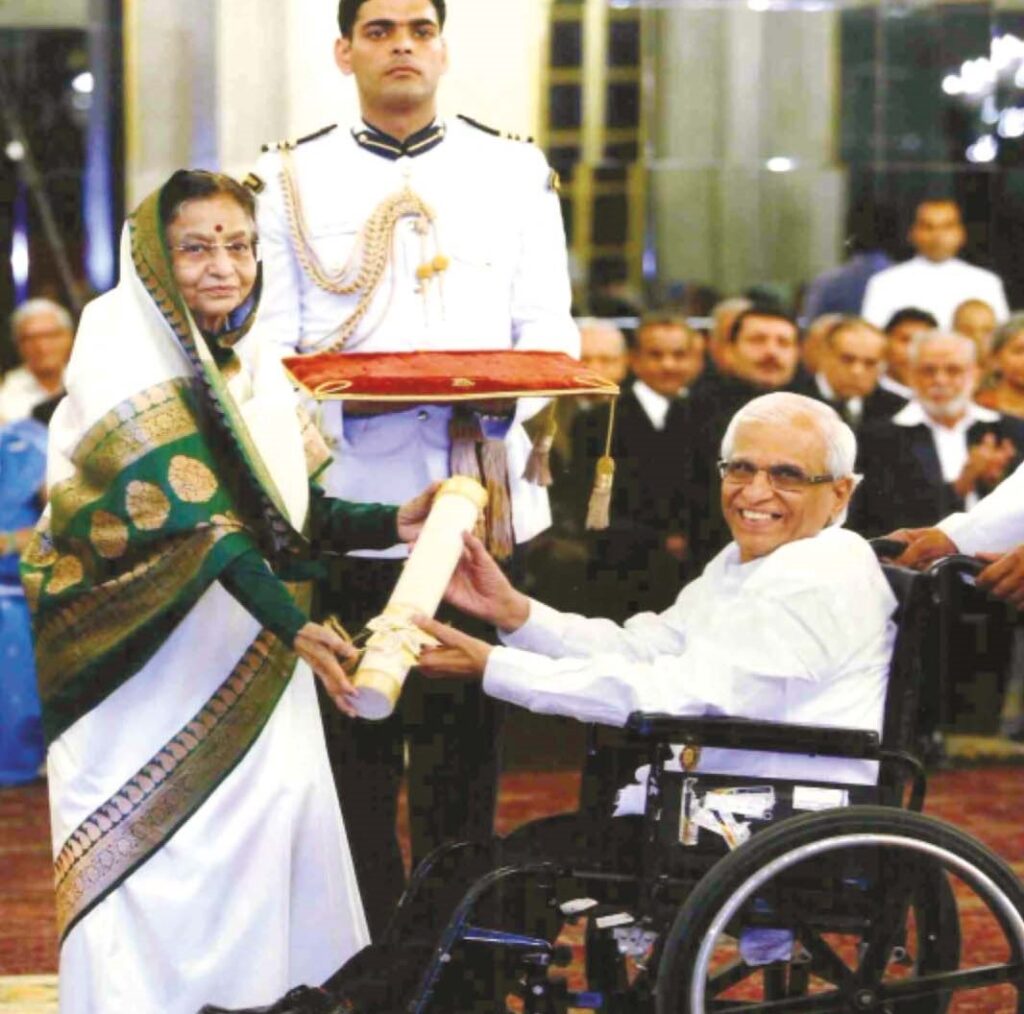
Dr. Suresh H. Advani is a well-known doctor in India.
He was the first person to do a bone marrow transplant in India
When Dr. Advani was just 8 years old, he got polio, which made it hard for him to walk or move easily. But even with this disability, he did not give up.
 
He worked hard and became one of the best cancer doctors in India. He has helped many people fight cancer
Dr. Advani’s life shows us that disability cannot stop you if you have hard work and a strong mind.
 
Even though he had polio, he kept moving forwardHe used his pain to help othersThat’s what makes him a true doctor someone who went through difficulties but now wants to heal the world

It's time To change this and make kindness louder than cruelty."

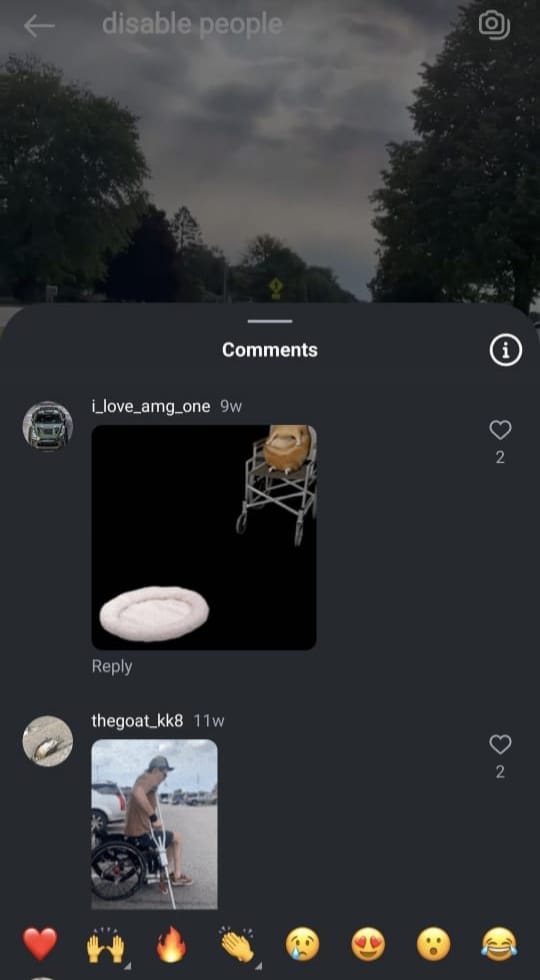
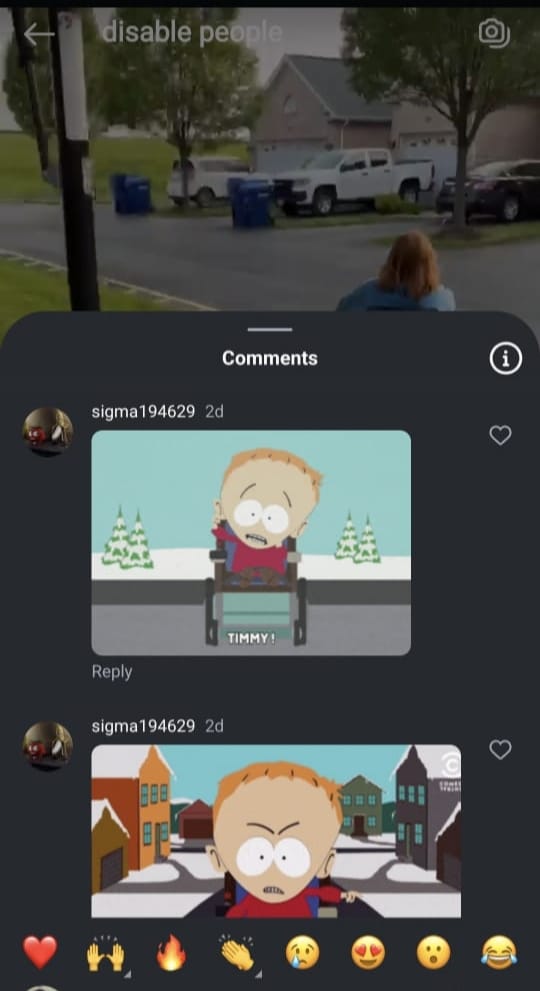
Many special children face bullying simply because they are different. Whether it’s a visible disability, like using a wheelchair or wearing a hearing aid, or an invisible one such as autism or a learning difficulty, these children are often mocked, excluded, or stared at. They may be called names, laughed at for how they speak or move, or ignored during group activities. Instead of receiving empathy and support, they are made to feel like they don’t belong.

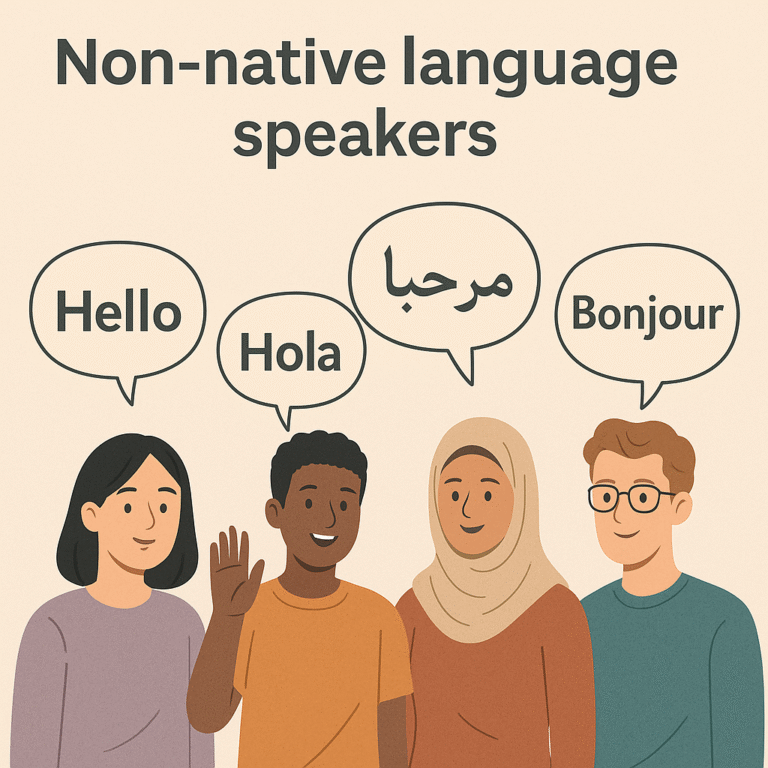
non-native language speakers

  1. Non-native language speakers are students who are learning in a language that is not their mother tongue. They may face challenges in understanding lessons, expressing themselves, or communicating with teachers and classmates.

  2. These students need extra support through visual aids, simple language, and friendly environments where they feel confident to speak and learn. 

  3. Inclusive education helps non-native language speakers feel welcomed. It encourages the use of multilingual materials and peer support so that no student feels left out due to language barriers.

  4. Teachers can play a big role by using pictures, gestures, and repeating instructions in simpler words. This makes learning easier for everyone.

"In their success, we find our hope."

Scroll to Top